A Comprehensive Guide to 360° Video Production

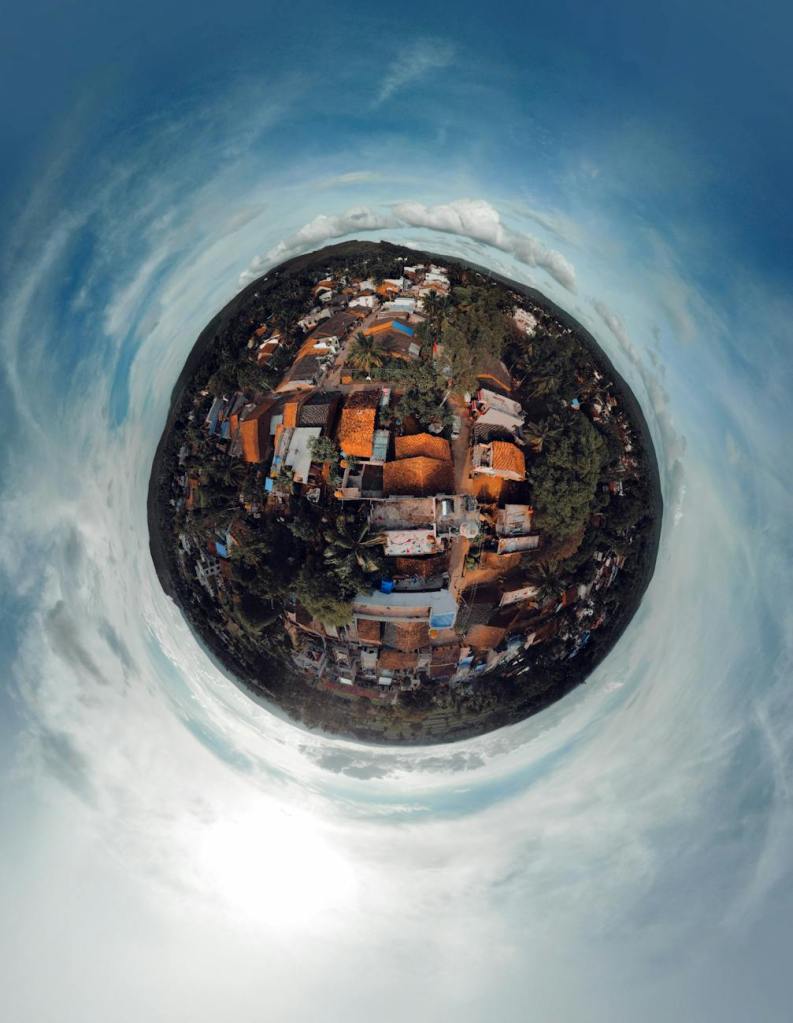
Photo by Shivkumar Sd on Pexels.com

Introduction

360° video production is a revolutionary method that allows viewers to experience content in an immersive, interactive way. Unlike traditional videos, 360° videos enable viewers to explore the scene from any angle, making it feel as though they are part of the environment. This technology is gaining popularity across various sectors in India, including entertainment, education, tourism, and corporate training. This guide will provide a detailed understanding of 360° video production, complete with examples relevant to Indian readers, to help you master this cutting-edge medium.

What is 360° Video Production?

Definition

360° video production involves capturing video footage in a spherical format, providing a comprehensive view of the surroundings. This immersive experience is achieved using cameras equipped with multiple lenses or a rig of cameras arranged to cover all directions.

How It Works

  1. Cameras and Equipment: 360° cameras use multiple lenses to capture overlapping fields of view. Examples of popular 360° cameras in India include the GoPro MAX, Insta360 One X2, and the Ricoh Theta Z1.
  2. Stitching: The process of combining footage from all lenses, aligning and blending the edges to create a seamless video. Software like Adobe Premiere Pro and specialized stitching software are used for this purpose.
  3. Post-Production: Editing 360° videos involves using special software to refine the video, add effects, and ensure the final output is smooth and engaging.

Categories of 360° Videos

1. Entertainment and Film

The Indian entertainment industry has quickly embraced 360° video technology. Bollywood filmmakers use 360° videos for immersive movie trailers and promotional content. For instance, the movie “Baahubali” included a 360° promotional video, allowing fans to explore the movie sets and get a closer look at the film’s environment.

2. Virtual Tours

360° videos are ideal for virtual tours, providing a real-life experience of a location. Indian tourism has capitalized on this technology by creating virtual tours of historical monuments, museums, and scenic landscapes. A notable example is the virtual tour of the Taj Mahal, enabling viewers worldwide to explore this iconic monument as if they were there.

3. Education

360° videos offer a dynamic and engaging way to educate students. Indian schools and universities use this technology for virtual field trips and immersive learning experiences. For example, students can virtually visit Harappan Civilization sites or take a tour of NASA facilities without leaving their classroom.

4. Corporate Training

Indian corporates are increasingly using 360° videos for employee training. These videos provide realistic simulations, improving engagement and retention. Companies like Infosys and Tata Consultancy Services have integrated 360° video training modules to enhance their employee development programs.

Key Points in 360° Video Production

1. Pre-Production Planning

Script and Storyboarding: Crafting a detailed script and storyboard is crucial. In 360° videos, every angle must provide valuable content. For example, when creating a virtual tour of the Qutub Minar, plan scenes that highlight different aspects of the monument from various perspectives.

Location Scouting: Select visually rich and relevant locations. For instance, if producing a 360° video about Indian wildlife, choose locations like Ranthambore National Park or the Sundarbans, ensuring they offer interesting views in all directions.

2. Choosing the Right Equipment

Cameras: Choose from popular 360° cameras like the GoPro MAX, Insta360 One X2, or Ricoh Theta Z1, all available in India and suitable for different budgets.

Tripods and Mounts: Use sturdy tripods and mounts to keep the camera stable. For dynamic shots, consider using drones or specialized mounts, such as mounting a camera on an elephant for an immersive safari experience.

3. Shooting Techniques

Positioning: Place the camera at the center of the action. For example, during a 360° recording of a Bharatanatyam dance performance, position the camera in the middle of the stage to capture the dancers from all angles.

Lighting: Ensure even lighting to avoid shadows and overexposure. Natural light works best, but additional lighting might be necessary for indoor shoots. When filming inside a temple, use soft lights to complement natural lighting and enhance the atmosphere.

Audio: Use spatial audio to enhance the immersive experience. This involves recording sound from multiple directions and syncing it with the video. For instance, capture the sounds of the Ganges during aarti at Varanasi from all angles to provide a truly immersive experience.

4. Post-Production

Stitching Software: Use software like Adobe Premiere Pro, Final Cut Pro, or dedicated 360° video stitching software to combine footage from multiple lenses. Proper stitching ensures seamless transitions between different angles.

Editing: Edit the video to correct any stitching errors, adjust colors, and add special effects. Ensure smooth transitions and a seamless viewing experience. For instance, while editing a virtual tour of Jaipur’s Amber Fort, enhance the colors to bring out the fort’s grandeur and ensure transitions between rooms are smooth.

Publishing: Platforms like YouTube and Facebook support 360° videos. Upload the video in the highest possible resolution for the best viewer experience. Promote the video through social media and other channels to reach a wider audience.

Examples Relevant to Indian Readers

1. Travel and Tourism

Virtual Temple Tours: Experience the serenity of Rishikesh’s ghats or the vibrant celebrations at the Jagannath Temple in Puri through 360° videos. These videos allow viewers to virtually participate in religious ceremonies and explore the surroundings.

Adventure Sports: Participate virtually in thrilling activities like paragliding in Manali or scuba diving in the Andaman Islands. 360° videos of these activities provide an adrenaline rush, giving viewers a taste of adventure from the safety of their homes.

2. Cultural Experiences

Festivals: Celebrate Diwali, Holi, and other festivals from various parts of India through immersive 360° videos. For example, a 360° video of Holi celebrations in Mathura captures the vibrant colors and enthusiastic crowds, making viewers feel like they are part of the festivities.

Cultural Performances: Watch traditional dance forms like Bharatanatyam, Kathak, or Kathakali as if you are seated in the front row. These videos offer an intimate view of the performances, showcasing intricate details of the costumes and expressions.

3. Real Estate

Real estate developers use 360° videos to offer virtual tours of properties. This allows potential buyers to explore apartments and houses thoroughly before visiting in person. Companies like Lodha Group and DLF have successfully used this technology to enhance their marketing efforts, providing virtual tours of their luxury properties.

SEO Keywords and Popular Searches

  • 360-degree video production India
  • How to make 360° videos
  • Best 360° cameras in India
  • Virtual tours India
  • 360° video editing software
  • Immersive video content
  • 360° video corporate training India
  • Educational 360° videos in India
  • Bollywood 360° video promotions
  • Tourism 360° video tours India

Conclusion

360° video production is a powerful tool for creating engaging and immersive content. Whether you’re a filmmaker, educator, marketer, or corporate trainer in India, understanding how to produce high-quality 360° videos can significantly enhance your content strategy. By leveraging the latest technology and following best practices, you can provide your audience with a unique and memorable experience.

References

  1. GoPro MAX
  2. Insta360 One X2
  3. Ricoh Theta Z1
  4. Adobe Premiere Pro
  5. Final Cut Pro

By embracing 360° video production, you can stay ahead in the digital landscape and deliver exceptional content that resonates with your audience.

Music Video Production: A Comprehensive Guide

Introduction:
In today’s digital age, music videos have become a powerful medium for artists to connect with their audience and showcase their creativity. With the rise of platforms like YouTube and social media, music video production has evolved into a dynamic and influential art form. In this in-depth guide, we will delve into the intricate process of music video production, exploring key elements, techniques, and trends, with a special focus on the vibrant music scene in India.

Categories:

1. Conceptualization and Planning:

  • Song Selection and Conceptualization: The process of music video production often begins with the selection of a song that resonates with the artist’s vision and style. Whether it’s a soulful ballad or an upbeat dance track, the song sets the tone for the video. For example, “Ghungroo” from the movie “War” inspired a visually stunning and high-energy music video that showcased the chemistry between actors Hrithik Roshan and Vaani Kapoor.
  • Creative Direction and Storyboarding: Once the song is chosen, the creative team collaborates to develop a concept and storyboard for the music video. This involves visualizing the narrative, choreography, and visual effects that will bring the song to life on screen. Music videos like “Bekhayali” from the film “Kabir Singh” employed powerful storytelling and emotive visuals to complement the song’s themes of love and heartbreak.
  • Budgeting and Logistics: Managing finances and logistics is essential for a smooth production process. From securing locations and hiring crew members to renting equipment and obtaining permits, meticulous planning is required to stay within budget and meet deadlines.

2. Pre-Production:

  • Casting and Costume Design: Selecting the right talent and costumes is crucial for conveying the mood and aesthetic of the music video. Indian music videos often feature popular actors, dancers, and models who bring star power to the screen. Iconic music videos like “Badtameez Dil” from the movie “Yeh Jawaani Hai Deewani” showcased vibrant costumes and energetic choreography that became instant hits with audiences.
  • Location Scouting and Set Design: Choosing the perfect locations and designing sets are essential for creating the visual backdrop of the music video. Whether it’s a picturesque outdoor location or a meticulously crafted set, the environment sets the stage for the artist’s performance. Music videos like “Zaalima” from the film “Raees” utilized stunning locations and set designs to enhance the cinematic experience.
  • Technical Planning and Equipment Setup: Technical considerations such as camera angles, lighting, and special effects play a crucial role in capturing the artist’s performance. Skilled cinematographers and technical crews work together to ensure that every shot meets the director’s vision and technical standards.

3. Production:

  • Directing and Filming: The director’s vision guides the filming process, directing the actors and crew to capture the essence of the song. Directors like Remo D’Souza (“Deewani Mastani”) and Prabhudeva (“Muqabla”) are known for their innovative choreography and dynamic visual style, elevating Indian music videos to new heights.
  • Choreography and Performance: Choreographed dance sequences are a hallmark of many Indian music videos, adding excitement and energy to the visuals. Renowned choreographers like Farah Khan and Bosco Martis have created iconic dance routines for songs like “Munni Badnaam Hui” and “Kamli,” respectively, that have become cultural phenomena.
  • Special Effects and Post-Production: Visual effects and post-production editing enhance the visual appeal of music videos, adding flair and creativity to the final product. Whether it’s CGI enhancements, color grading, or editing techniques, skilled post-production teams add polish and professionalism to the finished video.

4. Promotion and Distribution:

  • Release Strategy and Marketing: Once the music video is completed, artists and production companies devise a release strategy to maximize visibility and reach. This may involve teaser trailers, behind-the-scenes footage, and social media campaigns to generate buzz and anticipation among fans.
  • Distribution Platforms and Streaming Services: With the proliferation of digital platforms, artists have more opportunities than ever to distribute their music videos to a global audience. YouTube, Vevo, and streaming services like Spotify and Apple Music are popular platforms for hosting and promoting music videos, allowing artists to connect directly with fans worldwide.
  • Audience Engagement and Feedback: Feedback from viewers is crucial for evaluating the success of a music video and refining future projects. Artists and production teams actively engage with fans through social media, live performances, and fan events to gauge reactions and gather insights for future endeavors.

Conclusion:
Music video production is a collaborative and creative process that requires careful planning, skillful execution, and a passion for storytelling. In India, the music video industry continues to thrive, showcasing the diverse talent and cultural richness of the country’s music scene. By understanding the nuances of music video production, artists and creators can harness the power of visuals to captivate audiences and leave a lasting impression.

References:

Crafting Compelling Short Films

A Step-by-Step Guide from Concept to Distribution

Introduction:
Short films have emerged as a powerful medium for storytelling, providing filmmakers with a platform to express their creativity succinctly. In recent years, the Indian short film industry has experienced a remarkable surge, driven by the accessibility of digital platforms and the growing demand for diverse narratives. This comprehensive guide aims to demystify the process of short film production, offering actionable insights and practical examples to help filmmakers bring their vision to life.

  1. Conceptualization:

Generating Ideas:

  • Start by brainstorming ideas that resonate with you and your target audience. Consider themes, genres, and storytelling approaches that spark your imagination.
  • Draw inspiration from personal experiences, current events, literature, or cultural influences to develop unique and compelling concepts.

Example: The short film “Ahalya” directed by Sujoy Ghosh reimagines a mythological tale in a contemporary setting, blending elements of suspense and intrigue to captivate audiences.

Crafting the Narrative:

  • Develop a coherent storyline that fits within the constraints of the short film format. Focus on strong characters, engaging plotlines, and thematic depth.
  • Explore different narrative structures, such as linear, nonlinear, or experimental, to find the most effective way to convey your message.

Example: “Chutney” directed by Jyoti Kapur Das explores themes of jealousy and betrayal within the confines of a suburban household, showcasing the power of a well-crafted narrative.

Scriptwriting:

  • Write a concise yet impactful script that serves as the blueprint for your short film. Pay attention to dialogue, pacing, and visual storytelling techniques to maximize impact.
  • Keep in mind the limitations of the short film format and strive for brevity while maintaining narrative richness.

Example: The short film “Ahalya” features sharp dialogue and a tightly woven plot, demonstrating the importance of a well-written script in capturing audience attention.

  1. Pre-Production:

Budgeting:

  • Determine the financial resources required for your short film, including equipment rental, location fees, and crew salaries.
  • Prioritize expenses based on the needs of your production and explore cost-saving measures where possible.

Example: “Chutney” demonstrates effective budgeting by utilizing minimal locations and a small cast to tell a compelling story within a limited budget.

Casting:

  • Select talented actors who can embody your characters and convey the emotions essential to your story.
  • Conduct auditions or screen tests to ensure the right fit for each role, considering factors such as acting ability, chemistry, and authenticity.

Example: The short film “The School Bag” directed by Dheeraj Jindal features a young protagonist whose innocence and vulnerability are portrayed convincingly by the cast, adding depth to the narrative.

Location Scouting:

  • Find suitable locations that enhance the visual and thematic elements of your short film.
  • Consider factors such as accessibility, aesthetics, and relevance to the story when selecting filming locations.

Example: “Kriti” utilizes atmospheric locations to create a sense of suspense and tension, demonstrating the importance of strategic location choices in enhancing storytelling.

  1. Production:

Filming Techniques:

  • Experiment with various camera angles, lighting setups, and framing techniques to create visual interest and evoke emotions.
  • Collaborate with your cinematographer to achieve the desired look and feel for each scene, taking into account the mood and tone of the narrative.

Example: “The School Bag” employs intimate camerawork and natural lighting to convey the emotional journey of its characters, immersing viewers in the story’s world.

Directing:

  • Communicate your vision effectively to the cast and crew, fostering collaboration and creativity throughout the production process.
  • Provide clear direction and feedback to actors, guiding them to deliver authentic and compelling performances.

Example: “Kriti” showcases strong direction, with the filmmaker effectively guiding the cast to convey complex emotions and motivations with subtlety and nuance.

Time Management:

  • Create a detailed production schedule and adhere to it rigorously to ensure efficient use of time and resources.
  • Anticipate potential challenges and setbacks, and have contingency plans in place to address them promptly.

Example: “Ahalya” was shot within a tight schedule, requiring careful planning and coordination to meet deadlines without compromising on quality.

  1. Post-Production:

Editing:

  • Piece together the footage to create a cohesive storyline, making strategic cuts and adjustments to enhance pacing and clarity.
  • Experiment with editing techniques such as montages, transitions, and visual effects to refine the narrative and elevate the viewing experience.

Example: The seamless editing in “Chutney” enhances the film’s suspenseful atmosphere, maintaining tension and engagement from start to finish.

Sound Design:

  • Pay attention to sound effects, music, and dialogue clarity to create an immersive auditory experience.
  • Use sound to enhance mood, build tension, and evoke emotions that complement the visuals and storytelling.

Example: “The School Bag” features a haunting soundtrack and subtle sound effects that contribute to the film’s emotional resonance, underscoring key moments and themes.

Color Grading:

  • Apply color correction and grading techniques to achieve a consistent visual aesthetic that reinforces the mood and tone of your film.
  • Experiment with color palettes and tonal adjustments to enhance storytelling and evoke specific emotions.

Example: “Kriti” employs moody color grading to create a sense of foreboding and uncertainty, amplifying the tension of the narrative.

  1. Distribution:

Film Festivals:

  • Submit your short film to local and international film festivals to gain exposure, recognition, and potential awards.
  • Research festivals that cater to your genre or thematic focus and tailor your submissions accordingly.

Example: “Juice” premiered at the Cannes Film Festival, gaining international acclaim and opening doors to further opportunities for the filmmakers.

Online Platforms:

  • Utilize digital platforms such as YouTube, Vimeo, and streaming services to reach a global audience and showcase your work.
  • Optimize your online presence with engaging thumbnails, descriptive titles, and relevant keywords to attract viewers and maximize visibility.

Example: “Ahalya” garnered millions of views on YouTube, leveraging the platform’s vast reach to connect with audiences worldwide.

Social Media:

  • Leverage social media channels to promote your short film, engage with viewers, and build a community around your work.
  • Share behind-the-scenes content, updates, and exclusive sneak peeks to generate excitement and buzz.

Example: “Chutney” generated buzz on social media through targeted promotion and interactive engagement with its audience, contributing to its success.

Conclusion:
Short film production is a multifaceted process that requires creativity, collaboration, and meticulous attention to detail. By following the steps outlined in this guide and learning from the examples provided, filmmakers can unlock the potential to create impactful short films that resonate with audiences on a profound level. Whether you’re a seasoned professional or an aspiring filmmaker, embracing the art of short film production offers endless possibilities for storytelling and creative expression.

References:

  1. “Ahalya” – IMDb – https://www.imdb.com/title/tt5572426/
  2. “Chutney” – YouTube – https://www.youtube.com/watch?v=3SWc8_eVdjQ
  3. “The School Bag” – IMDb – https://www.imdb.com/title/tt6408960/
  4. “Kriti” – YouTube – https://www.youtube.com/watch?v=zPdGZujD4ek
  5. “Juice” – The Indian Express – https://indianexpress.com/article/entertainment/bollywood/juice-film-c

annes-film-festival-2822004/

SEO Keywords:

  • Short film production process
  • Indian short film examples
  • Filmmaking techniques for short films
  • Short film budgeting tips
  • Casting for short films
  • Location scouting for short films
  • Short film editing techniques
  • Sound design in short films
  • Color grading for short films
  • Short film distribution strategies

The Evolution of TV Series Production: A Deep Dive into India’s Entertainment Industry

Introduction:
In the vibrant tapestry of India’s entertainment industry, the evolution of TV series production stands as a testament to creativity, innovation, and audience engagement. From traditional daily soaps to groundbreaking web series, the landscape has witnessed a remarkable transformation. This comprehensive guide delves deep into the diverse categories, key points, and evolving trends shaping TV series production in India, accompanied by numerous examples and explanations to illuminate the journey.

Categories of TV Series Production:

Chapter 1: Unveiling the Foundation – Traditional Daily Soaps and Dramas

Daily soaps and dramas hold a special place in the hearts of Indian television viewers. These serials, often referred to as ‘saas-bahu sagas’ due to their focus on family dynamics and relationships, have been a staple of Indian television for decades. One of the most iconic examples is “Kyunki Saas Bhi Kabhi Bahu Thi,” which aired from 2000 to 2008 and became a cultural phenomenon. Created by Ekta Kapoor, the show revolved around the trials and tribulations of the Virani family and their matriarch, Tulsi. The serial struck a chord with audiences across the country, spawning numerous spin-offs and setting the template for future serials.

Another enduring favorite is “Yeh Rishta Kya Kehlata Hai,” which premiered in 2009 and continues to be one of the longest-running shows on Indian television. Set in the backdrop of a Marwari family, the serial explores themes of love, marriage, and family values. Its relatable characters and heartfelt storytelling have earned it a loyal fanbase over the years.

Similarly, “Taarak Mehta Ka Ooltah Chashmah” stands out for its comedic portrayal of the residents of Gokuldham Society. Based on the popular Gujarati column “Duniya Ne Undha Chashma” by Taarak Mehta, the show has been entertaining audiences since 2008 with its light-hearted humor and social messages.

These examples illustrate the enduring popularity and cultural significance of traditional daily soaps and dramas in Indian television. Despite the emergence of new formats and platforms, these serials continue to attract viewers with their compelling storylines, relatable characters, and melodramatic twists and turns.


Chapter 2: Beyond Reality – Exploring the Phenomenon of Reality Shows

Reality shows have emerged as a dominant force in Indian television, offering viewers a voyeuristic glimpse into the lives and talents of everyday people. One of the most popular examples is “Bigg Boss,” the Indian version of the international reality franchise “Big Brother.” Hosted by Salman Khan, the show brings together a diverse group of contestants from different walks of life and puts them under one roof, where they are constantly monitored by cameras. The drama, conflicts, and camaraderie that ensue make for compelling viewing, attracting audiences of all ages.

Similarly, “Indian Idol” has become a cultural institution, providing a platform for aspiring singers to showcase their talents and pursue their dreams. Over the years, the show has produced numerous singing sensations who have gone on to achieve stardom in the Indian music industry.

“Roadies,” on the other hand, taps into the adrenaline-fueled world of adventure sports and travel. Contestants participate in a series of physical and mental challenges, testing their grit, determination, and teamwork. The show has become synonymous with youth culture and rebellion, inspiring a generation of viewers to break free from societal norms and pursue their passions.

These examples illustrate the diverse range of reality shows on Indian television, each catering to different demographics and interests. Whether it’s drama, music, or adventure, reality TV offers something for everyone, making it a ubiquitous presence in the Indian entertainment landscape.


Chapter 3: Enter the Digital Age – The Rise of Web Series

The advent of digital platforms has revolutionized the way we consume content, giving rise to a new breed of storytellers and narratives. Web series, in particular, have emerged as a game-changer, offering creators unparalleled creative freedom and audiences unlimited choice. One of the most groundbreaking examples is “Sacred Games,” Netflix’s first original series in India. Based on Vikram Chandra’s novel of the same name, the show is a gritty crime thriller set in Mumbai’s underworld. Its gripping plot, stellar performances, and slick production values garnered widespread acclaim, putting Indian web series on the global map.

Similarly, “Mirzapur” explores the dark underbelly of rural Uttar Pradesh, where power, politics, and crime collide. The show’s raw intensity, complex characters, and visceral action sequences have earned it a cult following among viewers both in India and abroad.

“The Family Man,” meanwhile, offers a fresh take on the spy genre, following the adventures of a middle-class man who leads a double life as a government agent. The show’s blend of humor, suspense, and social commentary struck a chord with audiences, making it one of the most-watched web series in India.

These examples highlight the diversity and quality of content available on digital platforms, challenging the dominance of traditional television and redefining the boundaries of storytelling in India.


Chapter 4: Epics Reimagined – Historical and Mythological Dramas

Historical and mythological dramas have long been a mainstay of Indian television, captivating audiences with their grandeur, spectacle, and timeless themes. One of the most iconic examples is “Mahabharat,” which originally aired in the late 1980s and remains one of the most-watched television series in Indian history. Based on the ancient Indian epic, the show recounts the epic battle between the Pandavas and the Kauravas, exploring themes of duty, honor, and destiny.

Similarly, “Chandragupta Maurya” chronicles the rise of the Mauryan Empire, from its humble beginnings to its zenith under the leadership of Chandragupta Maurya. The show’s lavish sets, intricate costumes, and epic battles transport viewers to the golden age of ancient India, immersing them in a world of intrigue and conquest.

“Devon Ke Dev…Mahadev,” on the other hand, delves into the world of Hindu mythology, tracing the life and adventures of the god Shiva. The show’s stunning visual effects, powerful performances, and spiritual themes have made it a favorite among viewers seeking enlightenment and entertainment.

These examples illustrate the enduring appeal of historical and mythological dramas in Indian television, bridging the gap between the past and the present and inspiring audiences with tales of valor, sacrifice, and divine intervention.


Chapter 5: Decoding the DNA of TV Series Production

Behind the glitz and glamour of Indian television lies a complex and multifaceted process of production, involving numerous stakeholders and disciplines. From script development and casting to filming techniques and post-production wizardry, every aspect of TV series production requires meticulous planning, coordination, and execution.

Script Development: At the heart of every successful TV series is a compelling script that resonates with audiences and keeps them coming back for more. Writers play a crucial role in shaping the narrative, developing characters, and crafting engaging storylines that captivate viewers from the first episode to the last.

Casting: The casting process is another crucial aspect of TV series production, as the actors bring the characters to life and infuse them with depth, nuance, and authenticity. Casting directors scour the country for talent, holding auditions and screen tests to find the perfect fit for each role.

Filming Techniques: Filming a TV series requires careful planning and execution, with directors, cinematographers, and production crews working together to capture the vision of the show. From selecting locations and blocking scenes to setting up lights and framing shots, every detail must be meticulously planned to ensure a seamless production process.

Post-Production Wizardry: Once the footage has been captured,

it’s time to work magic in the editing room. Editors piece together the footage, add visual effects and sound effects, and fine-tune the pacing and rhythm of the show to create a polished final product that meets the highest standards of quality and craftsmanship.

These are just a few of the many elements that go into the production of a TV series in India. Behind the scenes, a dedicated team of professionals works tirelessly to bring the show to life, overcoming challenges and pushing the boundaries of creativity to deliver an unforgettable viewing experience.


Chapter 6: Riding the Wave of Innovation – Emerging Trends and Future Directions

As we look to the future of TV series production in India, several emerging trends and future directions are poised to reshape the industry and redefine the way we consume content.

Short-Format Content: With the rise of mobile devices and social media platforms, short-format content has become increasingly popular among audiences with limited attention spans and busy lifestyles. Platforms like YouTube and Instagram offer a fertile ground for creators to experiment with bite-sized content that delivers quick, impactful storytelling experiences.

Interactive Storytelling: Interactive narratives represent the next frontier in TV series production, allowing viewers to become active participants in the storytelling process. By making choices that influence the direction of the plot, viewers can immerse themselves in the story in a whole new way, blurring the lines between fiction and reality.

Regional Content Boom: The rise of regional content reflects the growing demand for stories that resonate with diverse linguistic and cultural communities. Platforms are increasingly investing in regional language content, recognizing the untapped potential of regional markets and the unique storytelling traditions they offer.

Global Expansion: With the proliferation of streaming platforms and the increasing appetite for Indian content abroad, the global expansion of Indian TV series production is poised to accelerate in the coming years. Collaborations between Indian and international talents will drive cross-cultural exchanges and elevate the quality of content to new heights.

As we navigate these exciting new frontiers, one thing is clear – the future of TV series production in India is bright, bold, and brimming with possibility. With innovation, creativity, and a spirit of adventure, the industry is poised to captivate audiences around the world and redefine the boundaries of storytelling in the digital age.


Key Points in TV Series Production:

  • Content Diversity: The Burgeoning Landscape of Indian Television
  • India, known for its cultural diversity and rich heritage, boasts a television landscape that mirrors this vibrancy. The plethora of content on Indian television reflects a tapestry woven with threads of varied cultures, languages, and narratives, catering to an audience palette as diverse as the nation itself.
  • At the heart of this diversity lies the multifaceted nature of Indian society. With over 1.3 billion people belonging to different linguistic, religious, and socio-economic backgrounds, Indian television serves as a melting pot of cultures, offering something for everyone. From heartwarming family dramas set in traditional Indian households to gritty crime thrillers exploring the underbelly of urban life, the spectrum of content on Indian television is as vast and varied as the country it represents.
  • One of the defining features of Indian television is its regional diversity. With 22 officially recognized languages and hundreds of dialects spoken across the country, regional channels play a pivotal role in catering to the linguistic and cultural preferences of viewers. Whether it’s the melodramatic serials of the Hindi heartland, the action-packed dramas of the Telugu film industry, or the slice-of-life stories of the Bengali countryside, regional television channels offer a glimpse into the rich tapestry of India’s cultural landscape.
  • Moreover, Indian television has witnessed a paradigm shift in recent years with the emergence of niche content catering to specific audiences. From LGBTQ+-themed shows challenging societal norms to historical dramas revisiting forgotten chapters of Indian history, niche content creators are carving out a niche for themselves in an industry traditionally dominated by mainstream narratives.
  • The rise of digital platforms has further democratized content creation, providing a platform for independent filmmakers and storytellers to showcase their talent. Web series, in particular, have emerged as a breeding ground for fresh and diverse narratives, offering a stark departure from the formulaic content often associated with traditional television.
  • In essence, the burgeoning landscape of Indian television reflects the mosaic of cultures, languages, and narratives that define the fabric of Indian society. As the industry continues to evolve and innovate, one thing remains certain – the diversity of Indian television is its greatest strength, offering a platform for voices to be heard, stories to be told, and cultures to be celebrated.
  • Technological Advancements: Revolutionizing Production Values
  • The world of television production has undergone a revolutionary transformation in recent years, propelled by cutting-edge technologies that have redefined the boundaries of creativity and storytelling. In India, a burgeoning market with a voracious appetite for content, these technological advancements have played a pivotal role in elevating production values, enhancing visual aesthetics, and creating immersive storytelling experiences that captivate audiences.
  • One of the most significant advancements in television production has been the advent of high-definition (HD) cameras and digital cinematography. Gone are the days of grainy footage and subpar image quality – today’s cameras offer stunning clarity, vibrant colors, and crisp detail, allowing filmmakers to capture every nuance of the story with unparalleled precision.
  • In addition to advances in camera technology, the use of computer-generated imagery (CGI) has revolutionized the way visual effects are created and integrated into television productions. From breathtaking landscapes and epic battles to fantastical creatures and otherworldly environments, CGI has made it possible to bring even the most ambitious visions to life on the small screen.
  • Furthermore, advancements in post-production techniques and editing software have streamlined the production process, allowing filmmakers to fine-tune every aspect of their work with ease. From seamless transitions and dynamic visual effects to immersive sound design and sophisticated color grading, these tools enable creators to polish their productions to perfection and deliver a viewing experience that rivals that of the big screen.
  • Moreover, the advent of virtual production technologies such as virtual sets and real-time rendering has opened up new possibilities for filmmakers, allowing them to create immersive environments and interactive experiences in ways that were previously unimaginable. By combining live-action footage with computer-generated elements in real-time, virtual production techniques enable filmmakers to blur the line between reality and fantasy, creating truly immersive storytelling experiences.
  • In essence, the technological advancements in television production have transformed the medium from a passive form of entertainment into a dynamic and interactive art form. As these technologies continue to evolve and mature, the possibilities for creative expression are limitless, paving the way for a new era of storytelling that pushes the boundaries of imagination and innovation.
  • Emergence of Streaming Platforms: Redefining Content Consumption
  • The emergence of streaming platforms has revolutionized the way we consume content, providing viewers with unprecedented access to a vast library of movies, TV shows, and original productions at the click of a button. In India, a country with a burgeoning internet population and a growing appetite for digital entertainment, streaming giants like Netflix, Amazon Prime Video, and Disney+ Hotstar have become household names, transforming the television landscape and redefining the concept of appointment viewing.
  • One of the key factors driving the popularity of streaming platforms is their unparalleled convenience and accessibility. Unlike traditional television, which relies on scheduled programming and linear channels, streaming services allow viewers to watch their favorite shows and movies whenever and wherever they want, on any device with an internet connection. This on-demand model has democratized content consumption, empowering viewers to take control of their viewing experience and binge-watch entire seasons in a single sitting.
  • Moreover, streaming platforms offer a diverse range of content catering to every taste and preference, from Hollywood blockbusters and Bollywood classics to original productions and exclusive releases. Whether it’s the gripping drama of “Sacred Games,” the epic fantasy of “Game of Thrones,” or the heartwarming nostalgia of “Friends,” streaming services have something for everyone, making them an indispensable part of modern entertainment culture.
  • Furthermore, the rise of streaming platforms has democratized content creation, providing a platform for independent filmmakers and storytellers to showcase their talent and reach a global audience. With lower barriers to entry and greater creative freedom, streaming services have become a breeding ground for fresh and diverse narratives, challenging the dominance of mainstream media and fostering a culture of innovation and experimentation.
  • In essence, the emergence of streaming platforms has democratized content consumption, transformed the television landscape, and empowered creators to push the boundaries of storytelling in ways that were previously unimaginable. As these platforms continue to evolve and expand, the future of entertainment looks brighter than ever, with a world of possibilities waiting to be explored.
  • Global Collaborations: Enriching the Creative Landscape
  • Collaborations between Indian and international talents have long been a driving force behind the creative landscape of Indian television, fostering cross-cultural exchanges and elevating production standards to new heights. With India’s burgeoning entertainment industry attracting global attention, partnerships between Indian production houses and international studios have become increasingly common, leading to a convergence of creative energies and a fusion of storytelling traditions from around the world.
  • One of the most notable examples of global collaboration in Indian television is the co-production of original series with international streaming platforms. Platforms like Netflix, Amazon Prime Video, and Disney+ Hotstar have invested heavily in Indian content, partnering with local production houses to create original series that cater to both domestic and international audiences. These collaborations have resulted in a diverse array of productions spanning various genres, languages, and cultural backgrounds, from the gritty crime thriller “Sacred Games” to the heartwarming family drama “Made in Heaven.”
  • Moreover, collaborations between Indian and international talents have led to the exchange of ideas, techniques, and best practices, enriching the creative landscape of Indian television and pushing the boundaries of innovation and excellence. From sharing expertise in visual effects and production design to collaborating on scriptwriting and direction, these partnerships have facilitated a mutual exchangeof knowledge and expertise, benefiting both Indian and international audiences alike.
  • Furthermore, collaborations between Indian and international talents have provided a platform for Indian content creators to showcase their talent on the global stage, exposing them to new audiences and opening up new opportunities for creative expression and collaboration. Whether it’s collaborating with international filmmakers on co-productions or participating in global film festivals and industry events, Indian talents are making their mark on the world stage, cementing India’s position as a powerhouse of creativity and innovation in the global entertainment industry.
  • In essence, collaborations between Indian and international talents have enriched the creative landscape of Indian television, fostering cross-cultural exchanges, elevating production standards, and pushing the boundaries of storytelling to new heights. As these partnerships continue to flourish, the future of Indian television looks brighter than ever, with a world of possibilities waiting to be explored.

Conclusion:
As the curtain rises on the next act of India’s television industry, the stage is set for a captivating journey filled with innovation, diversity, and boundless creativity. From the timeless allure of daily soaps to the disruptive force of digital platforms, TV series production in India continues to captivate and inspire audiences around the globe. As we embrace the future, let us celebrate the kaleidoscope of stories that define the essence of Indian television.

References:

  1. “The changing face of Indian television: Making way for web series and more,” Business Standard,
  2. “How streaming services are changing the Indian television industry,” Livemint
  3. “From Saas-Bahu Sagas to Dark Thrillers: The Evolution of Indian TV Shows,” The Quint
The Wonders of Visual Effects (VFX): An Extensive Guide for Indian Audiences

Introduction:

Visual Effects (VFX) serve as the wizardry behind the silver screen, transforming the mundane into the magnificent and the ordinary into the extraordinary. In India, VFX has become a cornerstone of filmmaking, enabling directors to bring their wildest imaginations to life and audiences to embark on mesmerizing visual journeys. From mythological epics to contemporary blockbusters, Indian cinema has embraced VFX as a tool for storytelling on an unprecedented scale. This guide aims to delve into the enchanting world of visual effects, exploring its evolution, techniques, and profound impact on the Indian film industry.

Categories:

1. Understanding Visual Effects (VFX)

• Definition and Evolution: Visual Effects encompass a spectrum of techniques used to manipulate or create imagery that cannot be achieved through conventional filmmaking. Tracing its roots back to the early days of cinema, VFX has undergone a remarkable evolution, transitioning from practical effects to cutting-edge digital wizardry.

• Types of VFX: VFX techniques are diverse, ranging from Computer-Generated Imagery (CGI) to practical effects, matte paintings, and motion capture. These techniques serve various purposes, from seamlessly integrating fantastical elements into live-action footage to creating entire digital environments.

• Impact on Indian Cinema: The use of VFX in Indian cinema has transcended mere visual spectacle, becoming an integral component of storytelling. Notable Indian films like “Baahubali” and “Robot” have set new benchmarks for VFX-driven narratives, captivating audiences with their grandeur and imagination.

2. Key Elements of VFX Production

• Pre-visualization (Previs): Before embarking on VFX production, filmmakers often utilize previsualization techniques to visualize complex sequences and plan shot compositions. Previs helps streamline the production process by allowing filmmakers to experiment with camera angles, timing, and visual effects before actual filming begins.

• VFX Pipeline: The VFX production pipeline comprises several stages, including pre-production, asset creation, animation, rendering, and compositing. Each stage involves a meticulous workflow, with artists and technicians collaborating to achieve the desired visual effects.

• Collaborative Workflow: Successful VFX production relies on effective collaboration between various departments, including directors, cinematographers, VFX artists, and post-production teams. Clear communication and a shared vision are essential for ensuring that visual effects seamlessly integrate with live-action footage.

3. Emerging Trends and Technologies

• Virtual Production: Advances in technology have ushered in a new era of virtual production, allowing filmmakers to create entire worlds within the confines of a soundstage. Virtual production techniques leverage real-time rendering and virtual sets to enhance creative flexibility and streamline production workflows.

• Augmented Reality (AR) and Mixed Reality (MR): Beyond traditional filmmaking, AR and MR technologies offer immersive storytelling experiences that blur the lines between the virtual and the real. Indian filmmakers are increasingly exploring the potential of AR and MR in interactive narratives, marketing campaigns, and gaming.

• Machine Learning and AI: Machine learning algorithms and artificial intelligence are revolutionizing the VFX industry, enabling faster rendering times, automated rotoscoping, and realistic simulations. Indian VFX studios are leveraging AI-driven tools to enhance efficiency and creativity in visual effects production.

4. Challenges and Future Prospects

• Budget Constraints: While the demand for VFX in Indian cinema continues to grow, budget constraints often pose challenges for filmmakers. Balancing creative vision with financial constraints requires strategic planning and resource management to optimize VFX production within budgetary limitations.

• Talent Pool and Training: Building a skilled workforce of VFX artists and technicians is crucial for the sustainable growth of the industry. India boasts a wealth of talent in VFX, but ongoing investment in education and training programs is essential to nurture emerging talent and keep pace with evolving technologies.

• Global Recognition: Indian VFX studios and artists have earned international acclaim for their work on Hollywood blockbusters and global projects. With the right infrastructure and support, India has the potential to emerge as a leading hub for VFX production on the global stage, further bolstering the country’s reputation in the international film industry.

Key Points:

• Visual Effects (VFX) play a pivotal role in shaping the visual narrative of Indian cinema, from epic sagas to contemporary blockbusters.

• Previsualization (Previs) and collaborative workflow are essential for planning and executing complex VFX sequences effectively.

• Emerging technologies such as virtual production, augmented reality (AR), mixed reality (MR), and machine learning are reshaping the landscape of VFX production in India.

• Despite challenges such as budget constraints and talent shortages, the Indian VFX industry holds immense potential for growth and global recognition.

References:

1. Keller, E. (2019). VFX Artistry: A Visual Tour of How the Studios Create Their Magic.

2. Wright, B. (2018). The Visual Effects Producer: Understanding the Art and Business of VFX.

3. Sharma, A. (2020). Indian Cinema and the Evolution of Visual Effects: A Historical Perspective.

SEO Keywords:

• Visual effects (VFX) techniques and applications

• Indian VFX industry and its impact on cinema

• VFX production process explained

• Emerging VFX technologies in Indian cinema

• Virtual production techniques in filmmaking

• Augmented reality (AR) in Indian films

• Machine learning in VFX production

• Challenges of VFX production in India

• VFX training programs and talent development in India

• Indian VFX studios and global recognition

Popular Searches:

• “Visual effects (VFX) in Indian cinema”

• “Best VFX scenes in Indian movies”

• “VFX production companies in India”

• “Virtual production techniques explained”

• “Augmented reality (AR) in Indian films”

• “Machine learning in VFX production”

• “Challenges of VFX production in Bollywood”

• “VFX training courses in India”

• “Indian VFX artists working in Hollywood”

• “Future of VFX in Indian cinema”

Conclusion:

Visual Effects (VFX) represent the pinnacle of creative expression in Indian cinema, enabling filmmakers to transcend the boundaries of reality and transport audiences to worlds beyond imagination. As technology continues to advance and storytelling evolves, VFX will continue to play a central role in shaping the visual landscape of Indian cinema. With innovation, collaboration, and investment in talent development, the future of VFX in India shines bright, promising new horizons of creativity and global recognition in the ever-evolving world of filmmaking.

Unveiling the Art of Documentary Filmmaking: A Comprehensive Guide for Aspiring Indian Creators

Introduction:

Documentary filmmaking stands as a monumental pillar in the realm of cinema, serving as a potent vehicle for portraying real-life events, delving into the depths of cultures, and advocating for societal change. In India, the tradition of documentary filmmaking spans decades, with illustrious filmmakers such as Satyajit Ray and Anand Patwardhan etching their names in the annals of global cinema. Through this exhaustive guide, we embark on a journey to unravel the intricacies of documentary filmmaking, exploring its manifold forms, techniques, and the dynamic landscape it inhabits within the Indian context.

Categories:

1. Understanding Documentary Filmmaking

• Definition and Purpose: At its core, a documentary endeavors to capture the essence of reality, presenting factual accounts of events, individuals, or social issues. Unlike fictional narratives, documentaries aim to inform, educate, and provoke meaningful discourse among viewers.

• Types of Documentaries: The documentary genre is as diverse as the human experience it seeks to encapsulate. From investigative exposés to intimate character studies, documentary filmmakers employ an array of styles and formats to convey their narratives effectively.

• Documentary vs. Fiction: While both documentary and fictional filmmaking share the common goal of storytelling, they diverge in their approach to truthfulness and authenticity. Documentaries strive to portray real-life occurrences with integrity, while fiction allows for artistic interpretation and embellishment.

2. Key Elements of Documentary Production

• Research and Pre-production: The foundation of any compelling documentary lies in meticulous research and pre-production planning. Filmmakers must immerse themselves in their subject matter, conducting interviews, gathering archival footage, and outlining the narrative structure.

• Filming Techniques: Documentary filmmaking encompasses a myriad of filming techniques, each serving to enhance the storytelling process. From intimate handheld shots to sweeping aerial vistas, filmmakers employ a diverse array of visual strategies to captivate audiences and evoke emotional resonance.

• Interviewing Skills: A cornerstone of documentary filmmaking, the art of conducting interviews requires finesse, empathy, and acute observational skills. Effective interview techniques involve building rapport with subjects, asking probing questions, and eliciting candid responses that shed light on the human experience.

3. Navigating Ethical and Legal Considerations

• Consent and Release Forms: Respect for subjects’ rights and privacy is paramount in documentary production. Filmmakers must obtain informed consent and release forms from all individuals featured in their films, ensuring transparency and ethical integrity throughout the production process.

• Copyright and Fair Use: Documentary filmmakers must navigate the complex terrain of copyright law, particularly when incorporating third-party content such as archival footage, music, or photographs. Understanding the principles of fair use and obtaining necessary permissions are essential to avoiding legal pitfalls.

4. Post-production and Distribution

• Editing Techniques: The post-production phase of documentary filmmaking is where raw footage is transformed into a cohesive narrative. Skilled editors manipulate visuals, sound, and pacing to craft a compelling story that resonates with audiences on an emotional and intellectual level.

• Distribution Platforms: With the advent of digital technology, documentary filmmakers have an array of distribution platforms at their disposal. From traditional film festivals to online streaming services like Netflix and Amazon Prime Video, the avenues for showcasing and disseminating documentaries are more diverse and accessible than ever before.

Key Points:

• Documentary filmmaking serves as a powerful medium for portraying real-life events, cultures, and social issues.

• Thorough research and pre-production planning are essential for laying the groundwork for a compelling documentary.

• Respect for subjects’ rights, privacy, and consent is non-negotiable in documentary production.

• Effective storytelling in documentaries involves a mastery of filming techniques, interviewing skills, and post-production editing.

• The distribution landscape for documentaries is evolving, with a plethora of platforms available for showcasing and disseminating films to global audiences.

References:

1. Jhingan, M. (2018). Documentary Filmmaking: A Contemporary Case Study Approach.

2. Nichols, B. (2017). Introduction to Documentary.

3. Sen, S. (2019). Documentary Film in India: An Anthropological History.

SEO Keywords:

• Documentary filmmaking techniques and styles

• Indian documentary filmmakers and their impact

• Documentary film production process explained

• Ethical considerations in documentary filmmaking

• Copyright and fair use in documentary films

• Tips for effective documentary interviewing

• Documentary film editing tips and strategies

• Distribution platforms for documentary filmmakers in India

• Documentary film festivals in India and abroad

• Documentary funding opportunities and grants in India

Popular Searches:

• “How to make a documentary film step by step”

• “Influential Indian documentary filmmakers”

• “Documentary filmmaking courses in India”

• “Documentary film grants and funding in India”

• “Best documentary films from India”

• “Documentary film festivals in India 2024 schedule”

• “Documentary film production equipment checklist”

• “Indian environmental documentaries worth watching”

• “Social issues documentaries in India that made an impact”

• “Documentary filmmaking workshops and seminars in India”

Conclusion:

Aspiring Indian creators embarking on the journey of documentary filmmaking are poised to contribute richly to the cinematic landscape, drawing upon the diverse tapestry of culture, history, and societal issues that define the Indian experience. By mastering the craft of documentary production, navigating ethical considerations with integrity, and leveraging emerging distribution platforms, Indian filmmakers have the potential to amplify marginalized voices, provoke meaningful dialogue, and effect positive change on a global scale. In an age where the lines between fact and fiction are increasingly blurred, documentary filmmaking stands as a beacon of truth, illuminating the human experience in all its complexity and nuance.

Unlocking Success: The Art and Impact of Corporate Film Production in India

Introduction:

Corporate film production stands at the intersection of artistry and strategy, weaving together narratives that captivate audiences while advancing organizational goals. In the vast landscape of visual communication, corporate films serve as powerful tools for businesses to convey their message, connect with stakeholders, and leave a lasting impression. As we embark on this journey into the realm of corporate film production in India, we will unravel its multifaceted nature, tracing its evolution, understanding its significance, and witnessing its transformative potential in the digital era.

The evolution of corporate film production in India mirrors the rapid advancements in technology, changes in consumer behavior, and shifts in business dynamics. From the early days of traditional advertising to the modern era of digital storytelling, the landscape has undergone a remarkable transformation. Today, corporate films encompass a diverse range of formats, including promotional videos, brand films, training modules, and corporate social responsibility (CSR) documentaries. Each serves a distinct purpose, yet all share a common objective: to communicate the essence of the brand, engage the audience emotionally, and drive action.

In the Indian context, the journey of corporate film production has been marked by innovation, creativity, and a deep understanding of cultural nuances. As a country with a rich tapestry of traditions, languages, and narratives, India offers a fertile ground for storytelling. From showcasing the ethos of ancient Indian wisdom to celebrating the vibrancy of modern India, corporate films draw inspiration from diverse sources, weaving together narratives that resonate with audiences across the nation.

In this comprehensive guide, we will delve into the intricacies of corporate film production in India, exploring its evolution, significance, and transformative power in the digital age. We will unravel the art of storytelling, dissect the anatomy of effective corporate films, and examine case studies of successful campaigns. Through this exploration, we aim to provide insights, inspiration, and practical tips for businesses looking to harness the power of corporate film production to elevate their brand and drive business success.

Join us as we navigate the captivating world of corporate film production, where creativity meets strategy, and storytelling takes center stage. Together, let us embark on a journey of discovery, innovation, and transformation in the dynamic landscape of visual communication.

Category 1: Understanding Corporate Film Production

1.1. Definition and Scope:
Corporate films encompass a wide range of audio-visual productions tailored to serve various corporate objectives. These videos are meticulously crafted to communicate with stakeholders, including employees, customers, investors, and the general public. They often serve as a means of conveying corporate messages, promoting products or services, training employees, and highlighting corporate social responsibility initiatives. In essence, corporate films serve as a strategic tool for corporate communications, fostering engagement and connection with target audiences.

1.2. Evolution in India:
The evolution of corporate filmmaking in India can be traced back to the early days of the Indian film industry. However, it gained significant momentum with the advent of television and digital media. Over the years, corporate filmmaking has evolved from simple promotional videos to sophisticated storytelling endeavors. Today, Indian businesses recognize the power of video as a compelling communication medium and invest in high-quality corporate films to convey their brand identity, values, and offerings effectively.

1.3. Types of Corporate Films:
Corporate films come in various formats, each serving a specific purpose:

  • Promotional Videos: These videos aim to promote products, services, or events and create brand awareness.
  • Brand Films: Brand films focus on storytelling to convey the essence of the brand, its values, and its unique selling propositions.
  • Training Videos: These videos are designed to educate and train employees on various aspects of the business, including processes, protocols, and skills development.
  • CSR Documentaries: Corporate social responsibility (CSR) documentaries showcase the organization’s philanthropic initiatives, environmental efforts, and community engagement activities.

1.4. Importance of Corporate Films:
Corporate films offer numerous benefits to businesses:

  • Enhanced Communication: Videos have the power to convey complex messages in a concise and engaging manner, facilitating effective communication with stakeholders.
  • Brand Building: Well-crafted corporate films help in building brand identity, enhancing brand perception, and fostering brand loyalty among audiences.
  • Training and Development: Training videos streamline the training process, ensuring consistency and effectiveness in imparting knowledge and skills to employees.
  • Competitive Edge: Businesses that invest in high-quality corporate films gain a competitive edge by effectively communicating their value proposition and differentiating themselves from competitors.

Category 2: The Anatomy of Effective Corporate Films

2.1. Storytelling Techniques:
Effective storytelling lies at the heart of compelling corporate films. Some techniques employed include:

  • Character Development: Creating relatable characters that resonate with the target audience.
  • Conflict and Resolution: Introducing conflict or challenges and showcasing how the company overcomes them.
  • Emotional Appeal: Eliciting emotions such as empathy, inspiration, or humor to connect with viewers on a deeper level.
  • Call to Action: Encouraging viewers to take a specific action, such as visiting the company’s website or signing up for a newsletter.

2.2. Visual Aesthetics:
Visual elements play a crucial role in capturing and retaining viewers’ attention. Key aspects include:

  • Cinematography: The art of capturing visuals through camera work, framing, lighting, and composition.
  • Editing: Seamlessly piecing together footage to create a cohesive narrative flow and maintain viewer engagement.
  • Visual Effects: Incorporating visual effects to enhance the visual appeal and convey complex concepts in a captivating manner.

2.3. Sound Design and Music:
Sound design and music contribute significantly to the overall impact and emotional resonance of corporate films. Considerations include:

  • Soundscapes: Creating immersive soundscapes that complement the visuals and evoke desired emotions.
  • Music Selection: Choosing appropriate music tracks or scores that align with the tone, mood, and message of the film.
  • Voiceover: Utilizing voiceovers to provide narration, convey information, or add depth to the storytelling.

2.4. Scriptwriting:
A well-crafted script forms the foundation of a successful corporate film. Key elements of effective scriptwriting include:

  • Clarity and Conciseness: Communicating the message succinctly and avoiding unnecessary verbosity.
  • Brand Alignment: Ensuring that the script reflects the brand’s tone, voice, and messaging guidelines.
  • Story Structure: Following a narrative structure that engages viewers from the outset, builds tension, and delivers a satisfying resolution.
  • Call to Action: Incorporating a clear call to action that prompts viewers to take the desired next step, whether it’s visiting a website, making a purchase, or subscribing to a newsletter.

Category 3: Case Studies of Successful Corporate Films in India

3.1. Tata Group:
Tata Group is renowned for its exemplary corporate storytelling, which reflects its ethos of integrity, innovation, and social responsibility. One notable example is the Tata Tea “Jaago Re” campaign, which addressed social issues such as voter apathy and gender inequality. Through compelling storytelling and impactful visuals, Tata Tea effectively conveyed its commitment to social change while reinforcing its brand values.

3.2. Infosys:
Infosys leverages corporate videos as a strategic tool for employee training, client engagement, and brand positioning. The company’s training videos are known for their clarity, effectiveness, and user-friendly format, enabling employees to acquire new skills and knowledge efficiently. Additionally, Infosys utilizes client testimonial videos to showcase its expertise, credibility, and client-centric approach, thereby strengthening its reputation and attracting new business opportunities.

3.3. Mahindra Group:
Mahindra Group has distinguished itself in the realm of corporate storytelling with its ‘Rise’ campaign, which embodies the spirit of innovation, sustainability, and inclusive growth. Through visually compelling videos and inspiring narratives, Mahindra has effectively communicated its vision of empowering individuals and communities to rise above challenges and achieve their aspirations.

3.4. Aditya Birla Group:
Aditya Birla Group’s corporate videos are known for their visual sophistication, emotional resonance, and brand authenticity. Whether highlighting its diverse business portfolio, showcasing CSR initiatives, or celebrating employee achievements, Aditya Birla’s videos captivate audiences and reinforce the company’s commitment to excellence, integrity, and social responsibility.

Category 4: The Role of Corporate Films in Brand Building and Marketing

4.1. Building Brand Identity:
Corporate films play a pivotal role in shaping brand identity and perception by conveying the brand’s values, personality, and unique selling propositions. By showcasing its mission, vision, and core beliefs through compelling storytelling and visual imagery, a company can establish a strong emotional connection with its target audience and differentiate itself from competitors.

4.2. Engaging Customers:
Corporate videos serve as powerful marketing tools for engaging customers across various touchpoints, including websites, social media platforms, and email campaigns. Whether it’s a product demo, customer testimonial, or brand story, videos have the ability to capture attention, evoke emotions, and drive action, ultimately leading to increased brand awareness, customer engagement, and sales conversion.

4.3. Communicating Values:
Corporate films offer an effective platform for communicating corporate social responsibility (CSR) initiatives, ethical values, and sustainability efforts. By showcasing its commitment to social causes, environmental stewardship, and community engagement, a company can enhance its reputation, build trust with stakeholders, and attract socially conscious consumers who align with its values and beliefs.

4.4. Measuring Impact:
Measuring the impact of corporate films is essential for evaluating their effectiveness and optimizing future strategies. Key metrics to consider include:

  • Views and Engagement: Tracking the number of views, likes, shares, comments, and other forms of engagement across different platforms.
  • Conversion Rates: Analyzing the percentage of viewers who take the desired action, such as visiting a website, signing up for a newsletter, or making a purchase.
  • Brand Perception: Conducting surveys or focus groups to assess changes in brand perception, awareness, and sentiment following the release of a corporate film.
  • Return on Investment (ROI): Calculating the financial returns generated by corporate videos in terms of increased revenue, customer acquisition, and brand value.

Category 5: Trends and Innovations in Corporate Film Production

5.1. Virtual Reality (VR) and Augmented Reality (AR):
Virtual reality (VR) and augmented reality (AR) technologies are revolutionizing corporate storytelling by offering immersive and interactive experiences to viewers. Companies are increasingly leveraging VR and AR to create virtual tours, product demonstrations, and training simulations, providing users with a more engaging and memorable experience.

5.2. Interactive Videos:
Interactive videos enable viewers to actively participate in the storytelling process by making choices, exploring different paths, and interacting with the content in real time. Whether it’s a branching narrative, a quiz, or a gamified experience, interactive videos foster deeper engagement, increase dwell time, and drive higher conversion rates.

5.3. Short-form Content:
With the rise of mobile consumption and shrinking attention spans, short-form corporate videos are gaining popularity among audiences. These bite-sized videos are optimized for quick consumption on social media platforms like Instagram, TikTok, and Snapchat, allowing brands to convey their message effectively in a matter of seconds or minutes.

5.4. Personalization:
Personalization is becoming increasingly important in corporate film production, as companies seek to tailor their content to specific audience segments and individual preferences. By leveraging data analytics, AI-driven algorithms, and user profiling, companies can deliver personalized video experiences that resonate with viewers on a personal level, driving higher engagement and conversion rates.

Conclusion:

In conclusion, corporate film production in India has emerged as a powerful tool for businesses to communicate their brand message, engage stakeholders, and drive business objectives. By understanding the nuances of corporate filmmaking, embracing storytelling techniques, leveraging visual aesthetics, and staying abreast of emerging trends and innovations, businesses can create compelling and impactful corporate films that leave a lasting impression on audiences. With the right strategy and execution, corporate films have the potential to transform brand perception, drive customer engagement, and fuel business growth in the digital age.

Unlocking the Magic: The World of Corporate Films

Welcome to the captivating world of corporate films, where stories come alive and brands find their voice. In this blog, we’ll take a journey into the heart of corporate film production, exploring its secrets, challenges, and why it matters for businesses big and small.

Exploring Corporate Film Production:

Corporate films are like the Swiss Army knives of storytelling for businesses. They’re not just about selling stuff; they’re about connecting with people, showing what a company stands for, and leaving a lasting impression. Think of them as mini-movies tailored for a specific audience, whether it’s customers, employees, or investors.

Let’s break down the process:

1. Strategic Storytelling:
   – Before the cameras start rolling, there’s a lot of brainstorming and planning. It’s like cooking up a recipe – you need the right ingredients (ideas) and a clear plan (strategy). For example, imagine a tech company wants to make a film about its journey from a garage startup to a global giant. They’ll need a script that captures the highs, lows, and the ‘Eureka!’ moments along the way.

2. Lights, Camera, Action!:
   – Once the script is ready, it’s time to bring it to life. This is where the fun begins – scouting locations, casting actors, and getting the cameras rolling. Picture this: a beverage company wants to showcase its new eco-friendly production process. They’ll need shots of lush green fields, smiling farmers, and sparkling clean factories to tell their story visually.

3. Editing Magic:
   – After all the filming is done, it’s time to weave everything together like a master storyteller. This is where the editor steps in, piecing together scenes, adding music, and sprinkling some magic dust (visual effects) if needed. Imagine a clothing brand wants to create a film highlighting its latest collection. The editor will splice together shots of models strutting down the runway, interspersed with close-ups of fabric textures and stylish accessories.

Challenges and Considerations:

Of course, it’s not all smooth sailing in the world of corporate film production. Here are some hurdles teams often face:

1. Budget Battles:
   – Just like in real life, there’s always a budget to stick to. Sometimes, it’s like trying to fit a square peg into a round hole – challenging but not impossible. For example, a small startup might dream of making a big-budget film but has to get creative with resources instead.

2. Race Against Time:
   – Deadlines can be like ticking time bombs, waiting to explode if not handled carefully. It’s like a race against the clock to get everything done on time. Picture a software company launching a new product – they need a film ready to go before the big reveal event, no ifs or buts.

3. Keeping Everyone Happy:
   – With so many cooks in the kitchen, keeping everyone happy can feel like a juggling act. From clients to actors to the production crew, everyone’s got their own vision. It’s like trying to find a consensus on what pizza toppings to order for a group – not everyone’s going to agree, but compromise is key.

The Transformative Power of Corporate Films:

Despite the challenges, corporate films have the potential to work wonders for businesses:

1. Building Brand Love:
   – A well-made film can turn heads and tug at heartstrings, making people fall in love with a brand. Imagine watching a film about a shoe company’s journey to donate a pair of shoes to a child in need for every purchase – it’s hard not to feel warm and fuzzy inside.

2. Employee Cheers:
   – Films aren’t just for customers; they’re for the people behind the scenes too. A motivational film celebrating employees’ achievements can boost morale and create a sense of belonging. Picture a company making a film showcasing employees’ hard work and dedication – it’s like a virtual pat on the back for a job well done.

3. Connecting with the World:
   – In today’s digital age, a well-crafted film can travel far and wide, reaching audiences across the globe. Whether it’s sharing a company’s sustainability efforts or celebrating diversity and inclusion, films have the power to spark conversations and inspire change.

Conclusion:

Corporate film production is more than just lights, camera, action – it’s about crafting stories that resonate, inspire, and make a difference. Whether it’s a tale of triumph against all odds or a glimpse behind the scenes of a company’s daily hustle, every film has the power to leave a lasting impression. So, let’s keep the cameras rolling and the stories flowing – because the world is waiting to be captivated.

‘to the Future’ of Entertainment

Welcome to the Future of Entertainment: Automode Entertainment

In a world where technology continually evolves, one company stands at the forefront of revolutionising entertainment: Automode Entertainment. With a passion for blending art and tech, we embark on a journey to create mesmerising experiences that transcend the ordinary.

At Automode Entertainment, innovation isn’t just a buzzword—it’s our driving force. We harness the latest advancements in technology to craft thrilling entertainment that pushes the boundaries of storytelling. From captivating films to immersive virtual reality adventures, we’re committed to delivering unforgettable experiences that captivate audiences worldwide.

But what sets us apart isn’t just our cutting-edge approach—it’s our core values that guide everything we do. Innovation fuels our creativity, quality ensures excellence in every detail, collaboration fosters diverse perspectives, authenticity breathes life into our stories, and impact drives positive change on a global scale.

Our mission is clear: to create unforgettable stories and experiences that leave a lasting impression. We’re not just storytellers; we’re visionaries, constantly pushing the envelope to redefine what entertainment can be. And we want you to join us on this incredible journey.

Whether you’re a filmmaker with a passion for pushing boundaries, a tech enthusiast eager to explore new frontiers, or a storyteller with a unique voice waiting to be heard, there’s a place for you at Automode Entertainment. Together, let’s create something extraordinary that resonates with audiences everywhere. Welcome to the future of entertainment. Welcome to Automode Entertainment.

WayForward: Get ready for an exciting journey where you’ll find lots of great ideas and learn new things. Our platform is like a fun club where we share cool stuff and come up with fresh ideas together. Join us as we explore new paths and discover endless possibilities.

Design a site like this with WordPress.com
Get started